
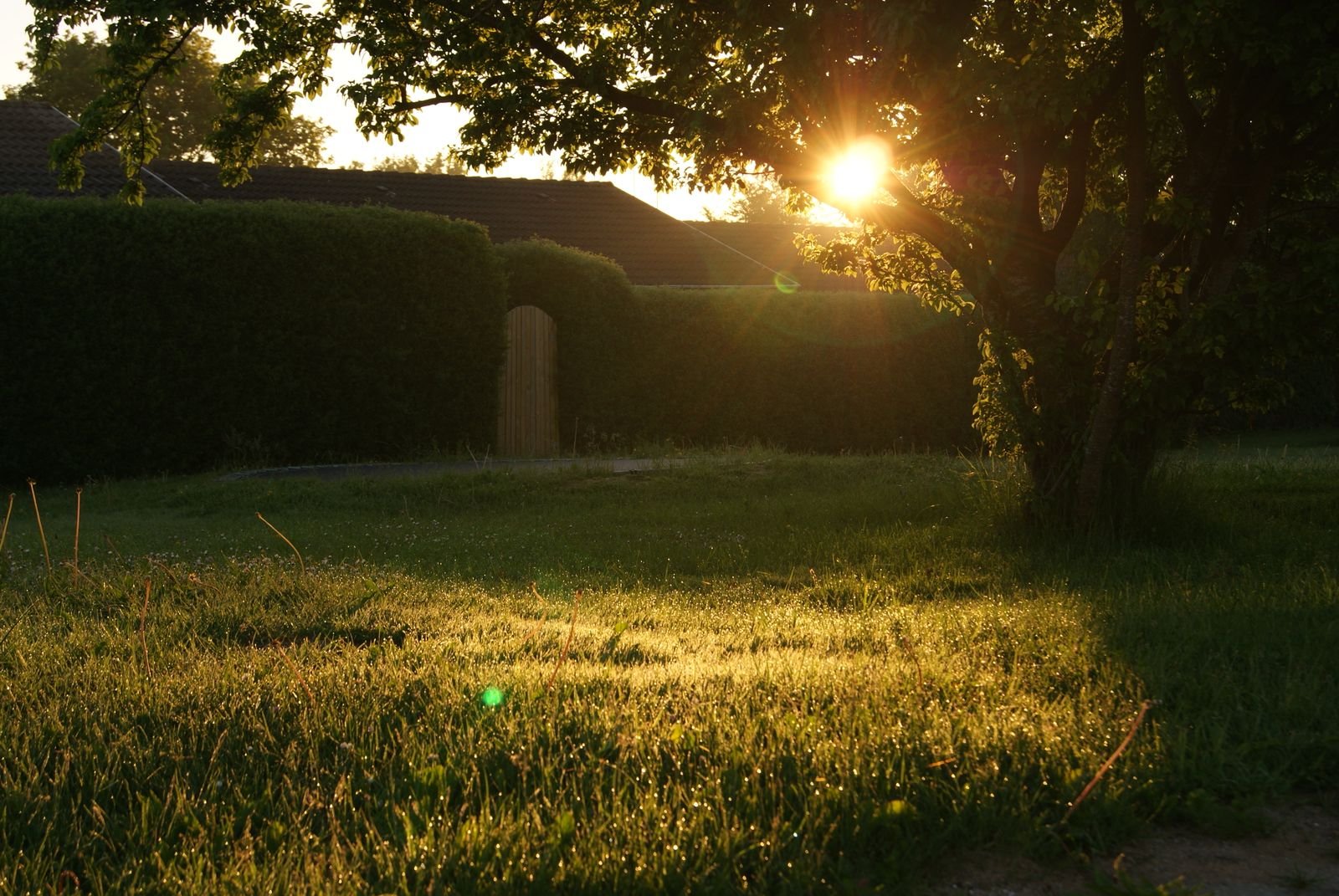
The Classical Foundation of Dinacharya
Ayurveda describes daily routine as dinacharya, a Sanskrit term combining dina, meaning day, and charya, meaning practice or conduct. The classical texts, particularly the Ashtanga Hridaya and Charaka Samhita, place dinacharya within the broader field of swasthavritta, the maintenance of health and wellbeing. Rather than a rigid checklist, dinacharya is presented as a sequence of small acts that attune the body and mind to the rhythms of nature.
In the classical view, the day moves through cycles influenced by the three doshas, vata, pitta, and kapha. A daily routine helps a person remain steady through these shifts. Many of the practices are simple hygiene and self-care actions, but their consistency is considered more important than their complexity.
For a modern reader approaching Ayurveda, it helps to understand that these practices are rooted in an observational tradition rather than a prescriptive medical protocol. If you are new to this tradition, the National Center for Complementary and Integrative Health offers a helpful overview of Ayurvedic medicine as a whole. With that context in place, dinacharya becomes easier to appreciate as a practical foundation for daily balance.
Waking in Brahma Muhurta
The classical texts recommend rising during brahma muhurta, the period roughly an hour and a half before sunrise. This time is traditionally considered calm, clear, and conducive to meditation, study, or gentle breathing practices. In Ayurvedic thought, the pre-dawn hours carry a quality of sattva, or clarity, which supports a steady mind for the day ahead.
Rising this early does not mean forcing a sleepless start. The Ashtanga Hridaya advises a routine that aligns with natural light and personal capacity. If you currently wake much later, moving the alarm in small increments is often more sustainable than a sudden change. The aim is to create a quiet interval before the responsibilities of the day begin.
Elimination and Morning Cleansing
Ayurveda regards the early morning as an important time for clearing the digestive tract. After waking, the body naturally tends toward elimination, and the classical routine supports this rhythm rather than delaying it. Drinking warm water on waking is a common traditional suggestion to encourage this process.
Tongue Scraping, Oil Pulling, and Nasya
Tongue Scraping
Tongue scraping is a classical morning practice found in the Charaka Samhita and Ashtanga Hridaya. A thin film can accumulate on the tongue overnight, and the traditional view associates this with digestive residue. Using a metal scraper, usually copper or stainless steel, the tongue is gently scraped from back to front several times.
Oil Pulling, Gandusha
Gandusha traditionally involves holding a small amount of warm oil, often sesame or coconut, in the mouth. In the classical texts, gandusha and its related practice, kavala, describe holding or gently moving oil through the teeth and gums. Modern readers may know this as oil pulling.
The practice is usually done for a few minutes before brushing the teeth. The oil should not be swallowed, and it is best to spit it into a bin rather than the sink. Consistent practice is said to support oral hygiene and a sense of lightness in the mouth. For anyone with dental concerns, it is wise to speak with a dentist before adding oil based mouth care to a routine.
Nasya
Nasya refers to the application of oil to the nasal passages. Traditional nasya can take simple forms, such as placing a drop of warm sesame oil at the edge of each nostril, or more involved forms administered by a practitioner. The Ashtanga Hridaya describes nasya as a morning practice that helps lubricate the nasal tissues and support clear breathing.
Nasya should be learned in person from a qualified Ayurvedic practitioner, especially for those with sinus issues, pregnancy, or other health considerations. A simple self-administered drop is not appropriate for everyone. The key is to keep the practice gentle and within your comfort level.
Abhyanga: Warm Oil Self-Massage
Abhyanga is the practice of applying warm oil to the body before bathing. Classical texts describe it as a daily act of self-care that supports the skin, the muscles, and the nervous system. Sesame oil is commonly used in cooler seasons, while lighter oils may be preferred in warm weather, but personal comfort matters most.
The oil is warmed slightly and applied with long strokes on the limbs and circular strokes on the joints. The scalp, ears, and soles of the feet are often included. After the oil is applied, it is left on for a short time before a warm bath or shower, which allows the skin to absorb it.
Vyayama: Exercise to Half Capacity
Vyayama, or physical exercise, is placed after oil massage in the classical sequence, though many modern routines place exercise before bathing. The Ashtanga Hridaya and Charaka Samhita describe vyayama as a daily practice performed to half of one’s capacity. This means exercising until sweat appears on the forehead, under the arms, or on the chest, or until breathing deepens but speech remains possible.
Bathing and Cleanliness
Bathing is considered a daily act of both physical and mental refreshment in classical Ayurveda. Warm water is traditionally preferred for the body, though cooler water may be used for the face or head depending on the season and individual tolerance. The bath removes excess oil after abhyanga and leaves the body feeling clean and settled.
Meals and Midday Agni
In Ayurveda, agni is the digestive fire, and it is considered strongest in the middle of the day, when the sun is high. For this reason, the main meal is traditionally eaten at midday. A smaller breakfast and a lighter evening meal allow agni to do its work without overload.
Meals are best taken sitting down, without screens, and with attention to the food. The classical texts advise eating only when hungry, chewing well, and leaving a little space in the stomach after a meal. These simple guidelines support comfort and digestion without requiring elaborate menus.
Evening Wind-Down and Sleep
As the day moves into evening, Ayurveda recommends a gradual withdrawal from intense activity. The classical texts place less emphasis on evening stimulation and more on quiet, warmth, and rest. A light evening meal, gentle conversation, reading, or a short walk can help the body shift toward sleep.
Sleep itself is considered one of the three pillars of health in Ayurveda, alongside food and balanced conduct. The classical routine encourages going to bed early enough to rise before dawn. Regularity matters more than perfection, and the quality of sleep often improves when the evening is calm.
Adopting Dinacharya Gradually
The following sequence may help if you are new to this approach:
- Choose one morning practice that feels accessible, such as drinking warm water or tongue scraping.
- Attach it to an existing habit, such as after brushing your teeth or before your shower.
- Practice it for two weeks before adding a second element.
- Keep the routine flexible across seasons, travel, and changing schedules.
- Reflect periodically on how the practices feel, rather than treating them as a checklist.
Structured guidance can make this learning easier. Satya Ayurveda’s workshops and trainings page outlines learning formats for those who want to study classical daily practices in more depth.
Modern Adaptations
A classical dinacharya can be adapted to modern life without losing its value. Rising before dawn is not always possible for shift workers, parents, or those with illness, and the tradition does not ask for punishment. The essence is a rhythm that supports your body and mind.
Some practical adaptations include:
- Rise as early as your schedule allows, even if only ten minutes before the household wakes.
- Keep a small bottle of warm water by the bed for a gentle morning start.
- Use a shorter abhyanga on busy days, focusing on the feet and lower legs.
- Practice nasya only after learning proper technique from a qualified practitioner.
- Make lunch the largest meal whenever possible, even if dinner must be simple.
- Protect the evening wind-down by dimming lights and avoiding heavy work.
For a deeper understanding of foundational Ayurvedic concepts, the education section offers article-based learning on topics related to daily routine, digestion, and seasonal practice.
A Note on Guidance
Dinacharya is a traditional system of health and wellbeing, not a substitute for medical care. It is intended to support balance through daily habits, not to diagnose, treat, cure, or prevent any disease. Anyone interested in Ayurvedic practices should consult a qualified Ayurvedic practitioner and their doctor before starting therapies or changing a health routine.
This is especially important if you are pregnant, taking medication, or managing a health condition. Certain practices, including nasya, herbal oils, and fasting-like approaches, require individual assessment. A good practitioner can tailor the routine to your constitution, season, and life circumstances.
The resources section is a useful next step for further reading, though no article can replace personal guidance.