
Ayurveda Fundamentals
Ayurveda, the knowledge of life, is the traditional system of health from India. These pages introduce its core ideas as described in the classical texts, as a foundation for anyone who meets Ayurveda in a spa, clinic or retreat.
Pancha Mahabhuta
Everything in nature, including the body, is understood as a combination of five elements: space (akasha), air (vayu), fire (agni), water (jala) and earth (prithvi).
Tridosha
The five elements combine into three functional principles, Vata, Pitta and Kapha. Their balance in each person shapes physical and mental characteristics.
Prakriti
Each person is born with a unique constitution, a particular proportion of the doshas. Ayurvedic advice is always tailored to this individual nature.
Agni
Agni is the digestive and metabolic fire. Ayurveda gives it central importance, since what is not properly digested is thought to become ama, an undigested residue.
Dhatus
Seven tissues sustain the body, from rasa (plasma) and rakta (blood) through to majja (marrow) and shukra (reproductive tissue), each nourished in turn.
Malas
The body produces waste products, chiefly urine, faeces and sweat. Their healthy formation and elimination is considered a sign of balance.
The Doshas and Agni
Vata, Pitta and Kapha are the three doshas, the functional principles that govern movement, transformation and structure. Agni, the digestive fire, determines how well food, experience and medicine are transformed. Each card turns over to reveal more.
Vata
Vata
Space and air. Vata governs movement: breathing, circulation, the nervous system and elimination. Its qualities are dry, light, cold, rough and mobile. In balance it supports creativity and alertness.
Pitta
Pitta
Fire with some water. Pitta governs transformation: digestion, metabolism, body heat and clear perception. Its qualities are hot, sharp, light and oily. In balance it supports intelligence and focus.
Kapha
Kapha
Water and earth. Kapha provides structure, lubrication and stability to the body and joints. Its qualities are heavy, slow, cool, oily and stable. In balance it supports strength, calm and endurance.
Agni
Agni
The digestive and metabolic fire, closely related to Pitta. Ayurveda describes strong, steady agni as a foundation of health, and much of its dietary advice aims to support it.
Living with the Rhythms of Nature
Dinacharya is the daily routine described in the classical texts. It aligns the day with natural cycles: rising early, before sunrise, cleaning the teeth and tongue, drinking warm water, self-massage with oil (Abhyanga), gentle exercise, bathing and meditation.
Meals are taken at regular times, with the main meal around midday when agni is considered strongest. The evening is kept calm, with an early bedtime. A consistent routine is regarded as one of the simplest ways to support balance.
Ritucharya is seasonal living. As the seasons change, so do the qualities in nature and in the body. Kapha tends to accumulate in late winter and spring, Pitta in summer and early autumn, and Vata in autumn and early winter.
Ayurveda recommends adjusting diet, activity and daily routine with each season, for example lighter, warming foods in spring and cooling foods in summer, to prevent the doshas from becoming aggravated.
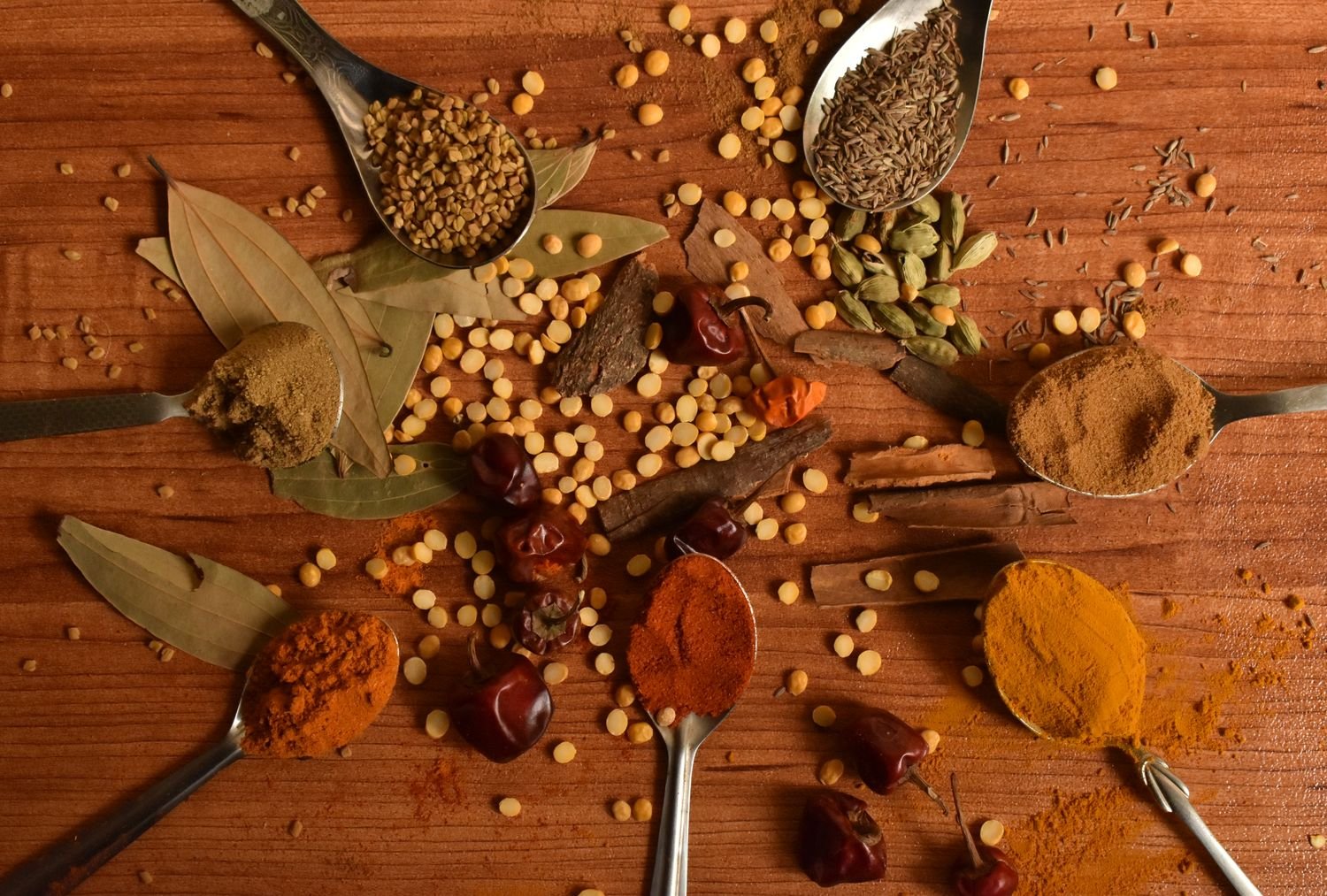
Ahara, food, is described as one of the three supports of life, together with sleep and a balanced use of energy. Ayurveda classifies foods by six tastes (sweet, sour, salty, pungent, bitter and astringent) and by their qualities and effect on the doshas.
How food is eaten matters as much as what is eaten: freshly prepared meals, eaten with attention, in suitable quantity and only when the previous meal has been digested. Individual advice should come from a qualified practitioner.
Panchakarma, the five actions, is the classical cleansing and rejuvenation programme of Ayurveda. It is preceded by preparatory procedures, snehana (internal and external oleation) and swedana (sudation), and followed by a careful period of diet and rest.
Authentic Panchakarma is a medical procedure, not a spa package. It requires assessment and supervision by a qualified Ayurvedic physician, and it is not suitable for everyone. Anyone considering it should consult a qualified practitioner first.
The Classical Texts
Three great compendia, known together as the Brihat Trayi, form the foundation of Ayurveda. The Charaka Samhita is the principal text on internal medicine, constitution and the principles of diagnosis and treatment. The Sushruta Samhita is the classical text on surgery, anatomy and the marma points. The Ashtanga Hridaya, by Vagbhata, brings the teachings of both into a concise, systematic work that is still widely studied.
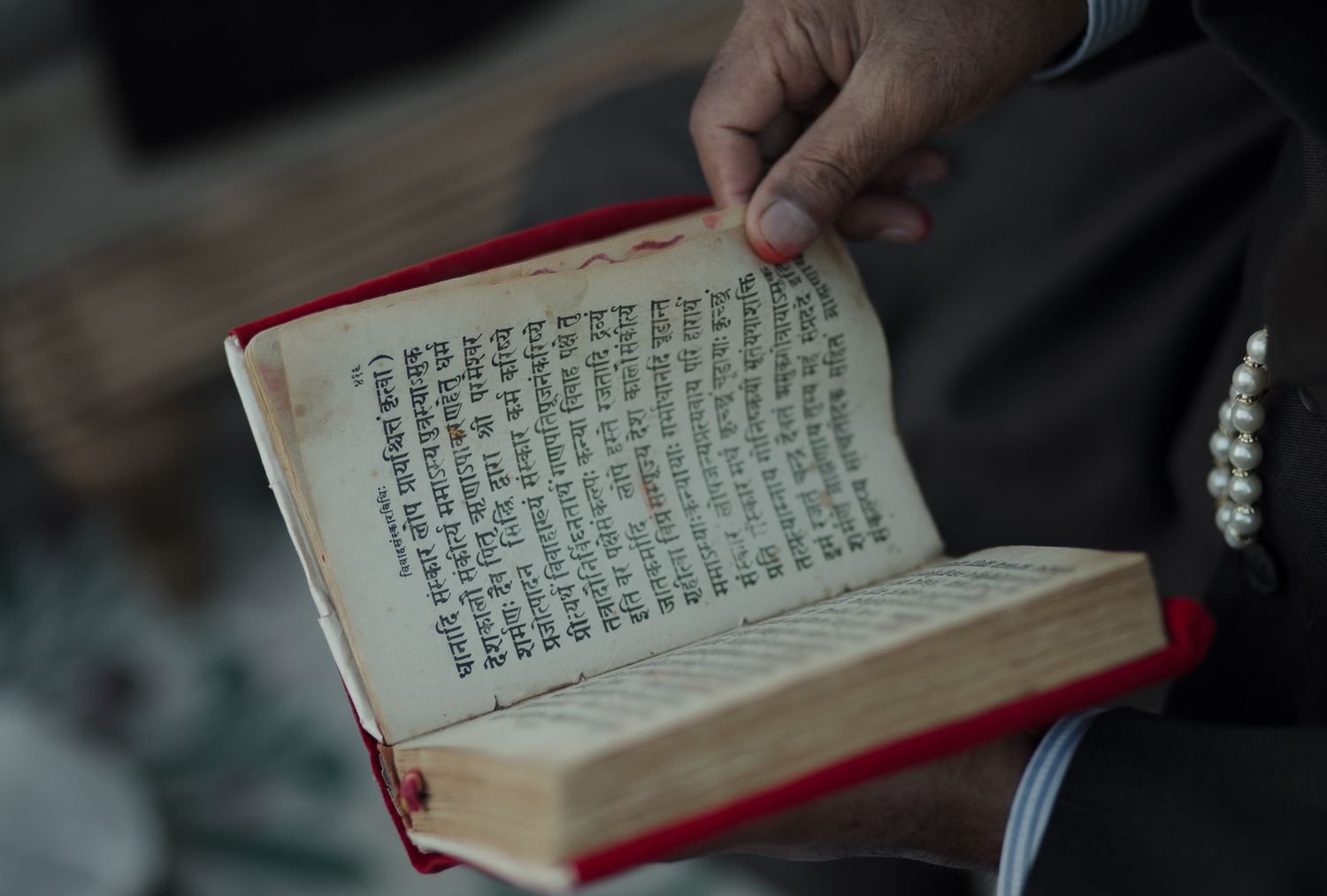

Swasthasya swasthya rakshanam, aturasya vikara prashamanam cha. The purpose of Ayurveda is to protect the health of the healthy and to relieve the disorders of those who are unwell.
Charaka Samhita, Sutrasthana 30.26
Continue Learning
Explore the educational guidelines for recognising authentic Ayurveda, or find out about workshops and training.
Vata
Pitta
Kapha
Agni
Dinacharya
Ritucharya
Ahara
Panchakarma
Abhyanga
Shirodhara
Rasayana