
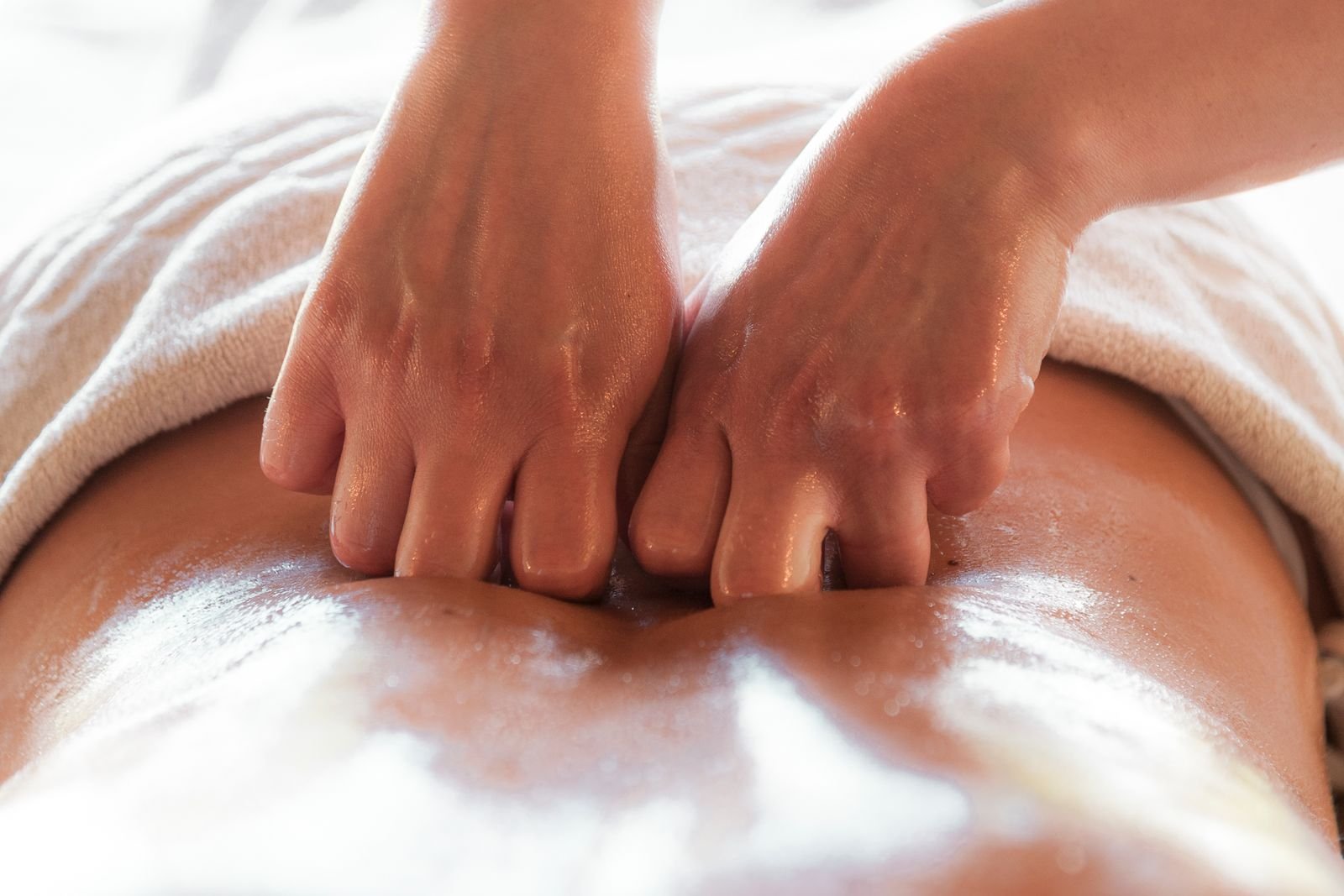
What Abhyanga Means
Abhyanga is the traditional Ayurvedic practice of applying warm oil to the whole body. It is a deliberate, self-administered oil massage and a core part of dinacharya, the daily routine. For a general overview of the term, see Abhyanga.
In Ayurveda, abhyanga is not only a relaxation technique. It is considered a foundational daily ritual that supports overall wellbeing when practised consistently and appropriately.
Abhyanga in Dinacharya and the Classical Texts
Classical texts present abhyanga as part of dinacharya, the sequence of morning habits intended to align the body with natural rhythms. The Charaka Samhita, Sushruta Samhita, and Ashtanga Hridaya include oil massage among daily practices, placing it before bathing. These texts describe abhyanga as a routine household practice rather than a luxury.
The classical understanding often emphasises abhyanga for calming vata dosha, the principle associated with movement, dryness, and cold. Warm oil brings warmth, moisture, and heaviness, which are seen as balancing vata qualities. The Sushruta Samhita places oil application within routines that traditionally promote healthy skin, ease of movement, and restful sleep, without presenting it as a standalone remedy.
Ayurveda is a traditional system of health and wellbeing, and abhyanga is preventive and supportive. It does not replace medical assessment. Readers new to Ayurveda may find it helpful to explore Ayurvedic education for broader context on dinacharya and dosha theory.
Choosing an Oil by Dosha and Season
Oil selection is central to abhyanga. Ayurveda generally matches the qualities of the oil to the needs of the person and the season. Common traditional base oils include sesame, coconut, sunflower, and mustard. Medicated taila, meaning a base oil prepared with herbs, is used when a more specific formulation is desired.
Sesame oil is considered a standard base for daily abhyanga because it is warming, nourishing, and suitable for many people in cooler weather. Coconut oil, which is cooling, is often preferred in hot weather or when a person experiences excess heat. Sunflower oil is lighter and can be useful when a less heavy oil is preferred. Mustard oil is warming and sharp and has been used traditionally in some regions, though it may feel too heating for some people.
Common oil choices are summarised in general terms below:
- Sesame oil: often recommended for vata and for cool or dry seasons; warming and deeply nourishing.
- Coconut oil: often preferred for pitta and for hot weather; cooling and lighter on the skin.
- Sunflower oil: a lighter option for warmer months or for people who find heavier oils uncomfortable.
- Mustard oil: a warming choice associated with kapha and cold weather; used traditionally in some regions.
Medicated taila refers to oils prepared by slowly cooking a base oil with herbs according to classical methods. These formulations can be tailored to particular imbalances but require proper guidance. A qualified Ayurvedic practitioner can help you choose an appropriate base oil or medicated taila.
Daily Practice of Abhyanga
Preparing the Oil and Setting Up
Warm the oil slightly before application. The oil should feel comfortably warm on the skin, never hot. A common method is to place a small amount of oil in a glass or stainless steel container and set that container in warm water for a few minutes. Test a drop on your inner wrist before applying it to the body.
Choose a warm, quiet room and place an old towel under your feet. Keep the amount of oil manageable; about a quarter to half a cup is enough for many people, although individual needs vary.
If you are pregnant, taking medication, or managing a health condition, speak with your doctor and a qualified Ayurvedic practitioner before beginning abhyanga. This is especially important when considering medicated oils.
Step-by-Step Self-Abhyanga Practice
A daily self-abhyanga can take ten to twenty-five minutes depending on the time available. The strokes below are general and should be adjusted to your comfort. The traditional pattern uses long strokes on long bones and circular strokes on joints and the abdomen.
- Warm the oil as described and sit or stand on a towel in a warm room.
- Begin at the scalp. Apply a small amount of oil to the crown of the head and use the fingertips to move gently over the scalp in slow circles. If you do not wish to oil the scalp, begin with the face and neck.
- Apply a little oil to the face and ears, using gentle outward strokes on the cheeks and forehead and light circular motions around the jaw.
- Massage the neck and shoulders with long gliding strokes, then use circular motions over the shoulder joints.
- Work down each arm. Use long strokes on the upper arm and forearm and circular strokes at the elbow and wrist.
- Massage the chest with gentle outward strokes. On the abdomen, use slow clockwise circular movements, following the direction of the colon.
- Reach the back and spine as far as is comfortable, using long strokes along the back, or use a long-handled applicator if needed.
- Massage each leg with long strokes from thigh to ankle, then use circular strokes at the hips, knees, and ankles. Spend extra time on the soles of the feet.
- Rest for five to fifteen minutes so the oil can settle on the skin, then take a warm bath or shower.
The pressure should be firm enough to feel soothing but not painful. If time is short, even a five-minute abhyanga focused on the head, ears, and feet is considered valuable in the daily routine.
Timing, Bathing, and Aftercare
Classical dinacharya places abhyanga in the morning before bathing. This allows the warm oil to be absorbed briefly and then rinsed off before the day begins. Many people also find a shorter evening practice helpful for encouraging a relaxed feeling before sleep.
After the oil has rested on the skin, take a warm bath or shower. Avoid very hot water. Use a mild, natural cleanser on areas that need it, but do not scrub the skin aggressively, as this may remove the oily film too quickly. Pat the skin dry rather than rubbing hard.
After bathing, you may apply a very small amount of oil to the soles of the feet if that feels comfortable. Wash the towel and any oil-stained clothing separately.
When to Avoid or Modify Abhyanga
Abhyanga is not appropriate in every circumstance. The classical tradition suggests avoiding oil massage during acute fever, deep fatigue with signs of acute illness, or severe indigestion. A key Ayurvedic concept here is ama, often understood as undigested material or metabolic waste that can accumulate when digestion is weak. When ama is present, adding heavy oil may feel uncomfortable and is generally avoided until digestion improves.
Other times to skip self-abhyanga include open wounds, burns, infected skin, acute rashes, or immediately after vomiting, purging, or certain cleansing therapies. Some women choose to modify the practice during menstruation, especially if the body feels congested or heavy. If you feel unwell, it is usually better to rest and return to abhyanga when you feel settled.
If you have a health condition or are unsure whether abhyanga is suitable for you, consult a qualified Ayurvedic practitioner and your doctor. This is particularly important for anyone who is pregnant, taking medication, or managing a chronic health condition.
Self-Abhyanga and Therapist-Performed Abhyanga
There is a meaningful difference between daily self-abhyanga and a professional Ayurvedic massage performed by a trained therapist. Self-abhyanga is designed to be practical, repeatable, and under your control. It uses a modest amount of oil, a shorter time frame, and simple strokes that you can perform yourself.
A therapist-performed abhyanga, sometimes offered in Ayurvedic clinics or during traditional panchakarma routines, typically uses more oil, a longer session, and a more systematic set of strokes. The therapist can adjust pressure, heat, and sequence based on the person and the intended traditional protocol. In classical texts, professional oil massage is described as part of broader therapeutic programmes, while self-abhyanga belongs to everyday routine.
Both forms can be valuable when used appropriately. Daily self-abhyanga helps maintain consistency at home, while therapist-performed sessions may offer a deeper experience from time to time. If you are interested in learning traditional techniques or understanding professional applications, explore workshops and trainings that focus on classical Ayurvedic practice.
Questions and Further Reading
Abhyanga is simple in principle but becomes richer with study. The choice of oil, the season, the time of day, and the current state of the body all influence how the practice feels. This is why Ayurveda treats abhyanga as a flexible daily ritual rather than a one-size-fits-all technique.
For common questions about self-massage and other Ayurvedic routines, visit our frequently asked questions. We also encourage you to read about classical Ayurveda through our education resources and to seek out qualified practitioners for personalised guidance. Always discuss new therapies with your doctor, especially if you are pregnant, on medication, or managing a health condition.