Ayurveda can be studied at many depths, from a single afternoon on daily routine to years of formal medical education. This page outlines the main kinds of learning paths that exist and what to look for when choosing one. Satya Ayurveda does not run, sell or endorse specific courses; the aim is to help readers judge quality for themselves.
Short sessions of a few hours or days on the doshas, Dinacharya (daily routine), Ritucharya (seasonal routine), cooking and gentle self-massage. Suited to personal interest, with no clinical scope.
Massage and Therapy Trainings
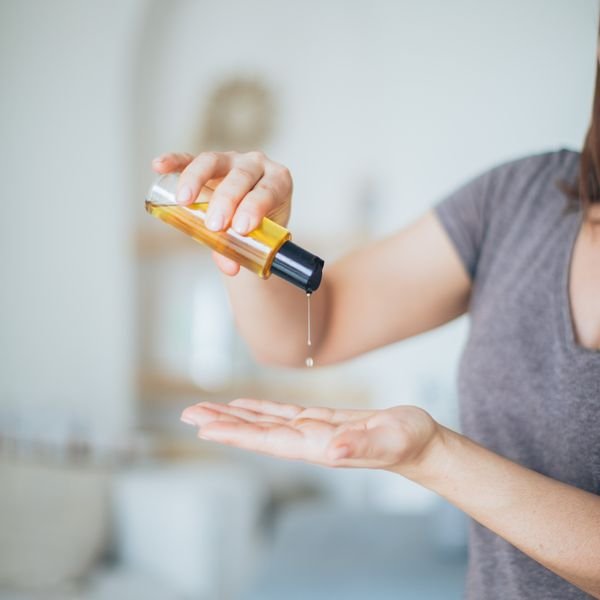
Structured hands-on courses in classical procedures such as Abhyanga, Shirodhara, Swedana and Pinda Sweda, preparing students to work under the direction of a qualified practitioner.

Practitioner-Level Study
In-depth programmes in Ayurvedic theory, assessment and herbal medicine. In India this is the five-and-a-half-year BAMS degree; elsewhere, longer diploma programmes exist with varying recognition.

Retreat-Based Immersion
Residential programmes that combine study with daily practice, Ayurvedic meals and routine. Valuable as lived experience, though not a professional qualification on their own.

What to Look for in a Good Course
Whatever the level, a well-designed course is open about who teaches it, which sources it is based on and what graduates will and will not be qualified to do. Ask for a written syllabus, the number of supervised practice hours and the qualifications of every teacher before enrolling.
Clarity on Scope of Practice
A weekend workshop does not make someone a practitioner, and a massage training does not qualify a graduate to diagnose or prescribe herbs. Reputable courses state the scope of practice clearly and explain how it relates to the regulations of the country where students intend to work.
Five Marks of a Good Course
Qualified Teachers
Recognised Ayurvedic training
Classical Grounding
Charaka, Sushruta, Vagbhata
Supervised Practice
Hands-on hours with feedback
Clear Scope
Honest about what graduates may do
Fair Assessment
Practical and written evaluation
Choosing a Training: Common Questions
Answers to questions that come up most often when comparing Ayurveda courses.
How do I choose between a workshop and a longer training?
Start from the goal. A workshop suits personal interest in daily routine, diet or self-care. Anyone intending to offer treatments to others needs a structured training with supervised practice, and anyone wishing to assess and advise clients needs practitioner-level education.
Can a short course qualify someone to practise Ayurveda?
No. Short courses build understanding and personal practice, but they do not prepare students to assess clients, design treatment plans or recommend herbal medicines. Courses that suggest otherwise are overstating what they offer.
What qualifications should the teachers have?
Teachers of clinical content are ideally graduates in Ayurvedic medicine (BAMS or equivalent) with practical experience. Therapy trainers should have extensive hands-on experience in a clinical or traditional setting. A good school names its teachers and states their qualifications openly.
Is online learning enough for hands-on therapies?
Online study works well for theory, Sanskrit terminology and the classical texts. Therapies such as Abhyanga and Shirodhara, however, require in-person instruction and supervised practice to learn safe technique, pressure and oil handling.
Should a course be based on the classical texts?
Yes. Authentic training refers back to the Charaka Samhita, Sushruta Samhita and Ashtanga Hridaya, even at an introductory level. Programmes that mix Ayurvedic vocabulary with unrelated wellness ideas, without reference to these sources, offer a diluted picture of the tradition.
Are Ayurveda qualifications recognised everywhere?
Recognition varies widely. In India, Ayurveda is regulated as a system of medicine, while in many other countries it is unregulated or recognised only as a complementary therapy. Prospective students should check the rules in the country where they plan to work and consult the relevant authorities.