Frequently Asked Questions About Ayurveda
Clear answers to common questions about Ayurveda, Panchakarma and how to recognise authentic practice. This information is educational and does not replace advice from a qualified practitioner or your doctor.
What is Ayurveda?
Ayurveda is a traditional system of medicine that developed in the Indian subcontinent over more than two thousand years. Its core knowledge is recorded in classical texts such as the Charaka Samhita, the Sushruta Samhita and the Ashtanga Hridaya. Ayurveda looks at health as a balance between body, mind and environment, with particular attention to digestion (agni), the body tissues (dhatus), waste products (malas), daily routine (Dinacharya) and seasonal routine (Ritucharya). In India it is a recognised system of medicine overseen by the Ministry of AYUSH, and the World Health Organization lists it among the traditional medicine systems it studies.
What are the doshas?
The three doshas, Vata, Pitta and Kapha, are functional principles that describe how the body moves, transforms and holds structure. Vata is associated with movement and the nervous system, Pitta with heat, metabolism and digestion, and Kapha with stability, lubrication and structure. Every person has a unique combination fixed at birth (prakriti), and a current state that can drift out of balance (vikriti). Ayurvedic recommendations aim to bring the present state back towards a person's natural balance.
How is a person's constitution assessed?
A trained practitioner assesses constitution through a detailed conversation about health history, digestion, sleep, energy and habits, combined with observation and examination, which traditionally includes pulse assessment (nadi pariksha) and examination of the tongue, skin and eyes. Online dosha quizzes can be an interesting starting point, but they are not a substitute for an in-person assessment.
How can authentic Ayurveda be told apart from spa "Ayurveda-style" treatments?
Authentic Ayurvedic care starts with an individual consultation before any treatment is given. The practitioner considers constitution, current imbalance, age, season and medical history, then recommends specific therapies, medicated oils, diet and routine, with follow-up over time. Many spas offer massages named after Ayurvedic therapies and chosen from a menu without any assessment. These can be pleasant and relaxing, but they are wellness treatments using Ayurvedic names rather than Ayurvedic therapy in the classical sense. Useful questions to ask: who carries out the consultation, what training they have, and how the treatment is adapted to the individual.
What does Panchakarma involve?
Panchakarma means "five actions" and refers to the classical cleansing procedures of Ayurveda: Vamana (therapeutic emesis), Virechana (therapeutic purgation), Basti (medicated enemas), Nasya (nasal administration) and Raktamokshana (bloodletting, rarely practised today). A proper programme has three stages: preparation (purvakarma) with internal and external oleation (snehana) and sweating therapy (svedana), the main procedures themselves, and a gradual recovery phase (paschatkarma) with a carefully staged diet. Not every person receives all five procedures; the practitioner selects what is appropriate.
How long does Panchakarma take?
A classical Panchakarma programme usually takes around two to four weeks, including preparation and recovery, and some programmes are longer. The recovery diet often continues for several days after returning home. Short packages of three to five days can offer rest and rejuvenation, but they are generally too brief for a complete Panchakarma as described in the classical texts.
Is Ayurveda safe?
Ayurvedic therapies are generally considered safe when they are prescribed and supervised by a qualified practitioner. The main documented concern relates to some herbal and mineral preparations: studies cited by the US National Center for Complementary and Integrative Health (NCCIH) have found lead, mercury or arsenic in a proportion of Ayurvedic products sold online. Products should come from reputable manufacturers that test for heavy metals and contaminants, and any Ayurvedic remedy should be discussed with a doctor, especially alongside prescription medicines.
Who should be cautious with Ayurvedic treatments?
Extra care and medical advice are important during pregnancy and breastfeeding, for children and older adults, for anyone with a chronic illness such as heart, kidney or liver disease or diabetes, after recent surgery, and for anyone taking prescription medicines. Intensive cleansing procedures, fasting and strong heat therapies are not suitable for everyone. Prescribed medication should never be stopped or changed without speaking to the prescribing doctor.
Can Ayurveda replace conventional medical care?
Ayurveda is best understood as a traditional system that can complement conventional medicine, not replace it. Serious or acute symptoms always need prompt assessment by a medical doctor. A responsible Ayurvedic practitioner will ask about current diagnoses and medications and will encourage continued care from the treating physician.
What is the diet like during an Ayurvedic treatment?
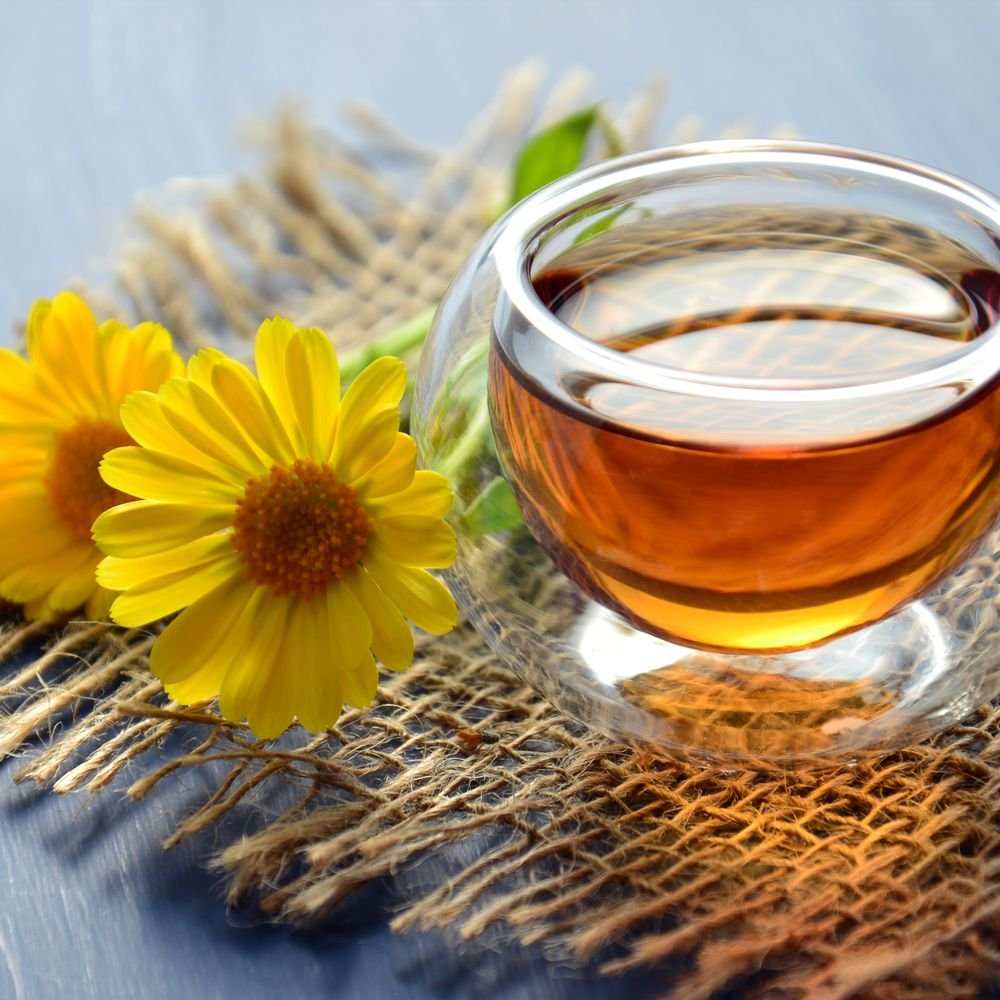
Diet during treatment is usually simple, warm, freshly cooked and easy to digest, so that agni (digestive fire) can work well. Kitchari made from rice and mung dal, cooked vegetables, light soups and herbal teas are common, with ghee used according to the plan. Cold, raw, heavy, fried and processed foods, alcohol and often caffeine are usually avoided. The exact diet depends on the individual and the stage of treatment, and is set by the practitioner.
What are Abhyanga and Shirodhara?
Abhyanga is a full-body application of warm medicated oil, chosen according to the person's constitution and condition, applied with specific strokes. Shirodhara is a therapy in which a continuous, gentle stream of warm oil or other liquid is poured over the forehead for a set period of time. Both are traditional external therapies; in an authentic setting they are recommended after consultation as part of a broader plan, rather than offered as stand-alone pampering.
How can a qualified Ayurvedic practitioner be chosen?
In India, Ayurvedic doctors complete a five and a half year Bachelor of Ayurvedic Medicine and Surgery (BAMS) degree and are registered with a state board under the National Commission for Indian System of Medicine. Outside India, regulation varies widely by country, so it is worth asking about formal training, supervised clinical experience and membership of a recognised professional association. A good practitioner takes a full health history, explains the reasoning behind recommendations, is transparent about any herbal products and does not promise cures.
What should be checked when choosing an Ayurveda retreat?
Helpful questions include: is there a qualified Ayurvedic doctor on site, is there a consultation before the programme starts, how long is the programme, are treatments and meals individualised, where do the medicated oils and herbal preparations come from, and is a medical history requested in advance. Guaranteed results, identical packages for every guest and very short "Panchakarma" programmes are signs to look more closely.
Does Satya Ayurveda certify or accredit businesses?
No. Satya Ayurveda is an independent educational resource. It does not certify, accredit, license or endorse any spa, clinic, retreat, product or practitioner. The guidelines published on this site are educational, intended to help readers recognise authentic Ayurvedic practice and ask informed questions. Any claim of current "Satya Ayurveda certification" is not issued by this website.
Where can I learn more about Ayurveda?
The Education and Resources sections of this site introduce the principles of Ayurveda, its classical texts and the pathways for formal study. For health information from public bodies, the Ministry of AYUSH (Government of India), the World Health Organization and the US National Center for Complementary and Integrative Health publish useful overviews.
Still Have a Question?
If your question is not answered here, send a message through the contact form. For personal health concerns, please consult a qualified Ayurvedic practitioner or your doctor.