
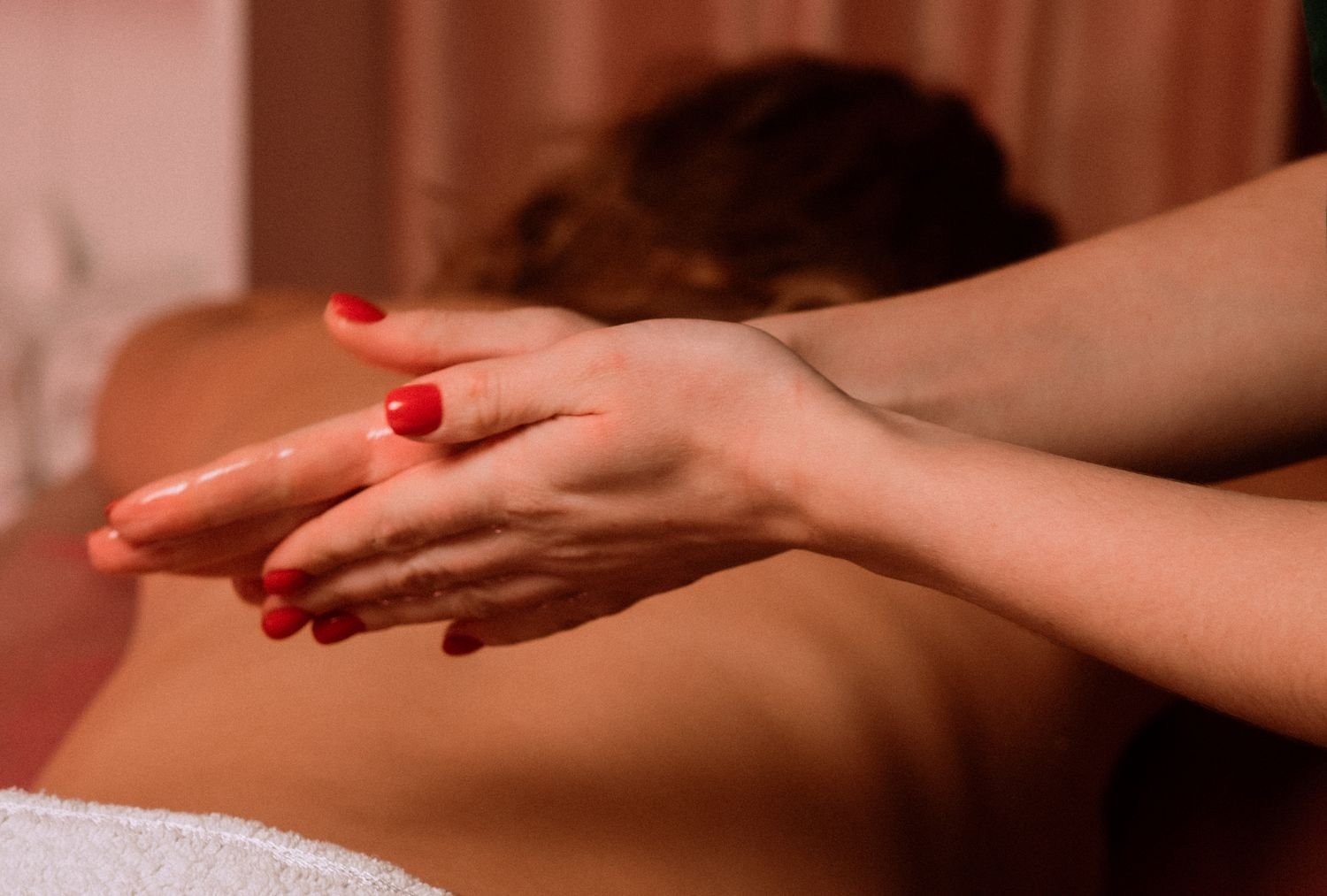
Recognising Authentic Ayurveda
Educational guidelines, not a certification
Ayurveda is now offered in spas, clinics and retreats around the world, and the quality of what is offered varies widely. The guidelines below describe what authentic, classically grounded practice usually looks like, so that readers can ask informed questions before committing to a treatment or programme.
Satya Ayurveda is an independent educational resource. It does not certify, accredit, inspect or endorse any business, practitioner or product, and no badge or listing elsewhere should be read as a Satya Ayurveda approval. These standards are offered purely as guidance for recognising good practice.
- A thorough consultation by a qualified practitioner before any treatment
- A plan tailored to the individual rather than a fixed menu
- Trained therapists, clean rooms and good-quality oils
- Honest communication with no promises of miracle results
Each of these points is explained in more detail below.
1. Consultation and Assessment
Authentic Ayurveda begins with a consultation, not a treatment menu. A qualified practitioner, typically a graduate in Ayurvedic medicine (BAMS or equivalent) or a practitioner with recognised training in their own country, should take a detailed history and assess both prakriti, the inherent constitution, and vikriti, the present state of imbalance among the doshas Vata, Pitta and Kapha. Classical methods include observation, questioning, touch and pulse assessment (nadi pariksha), with close attention to digestion (agni), sleep, elimination and lifestyle.
- The consultation takes place before treatment begins, not after
- The practitioner's training and qualifications are stated openly
- Questions cover health history, digestion, sleep, diet and daily routine
- Existing medical conditions and medications are recorded and respected
2. An Individualised Treatment Plan
Two people with the same complaint may receive quite different recommendations, because an Ayurvedic plan follows the person: constitution, current imbalance, age, season and strength. A good centre explains why particular therapies, oils, herbs or dietary changes are suggested, and adjusts the plan as the programme progresses. Identical packages for every guest are a sign that the offer is closer to wellness massage than to Ayurvedic care.
3. Properly Trained Therapy Staff
Therapies are usually carried out by trained therapists working under the direction of the practitioner. They should have completed structured training in classical Ayurvedic procedures, understand how to adapt pressure, oil and temperature to the individual, and know when to pause and refer back to the practitioner. In many traditional settings, Abhyanga is performed by two therapists working in synchrony.
4. Classical Therapies, Correctly Applied
The core procedures of Ayurveda are described in the classical texts of Charaka, Sushruta and Vagbhata (Ashtanga Hridaya). Therapies commonly offered include:
- Abhyanga: full-body application of warm medicated oil, chosen according to dosha and condition
- Shirodhara: a steady stream of warm oil, milk or herbal decoction poured over the forehead
- Swedana: herbal steam or heat therapy that usually follows oleation
- Panchakarma: the classical cleansing programme, delivered in three distinct phases
Panchakarma is far more than a series of massages. It begins with purva karma, the preparatory phase of internal and external oleation (snehana) and sweating (swedana). Pradhana karma, the main phase, applies the selected cleansing procedures, such as vamana, virechana or basti, only where they are indicated for the individual. Paschat karma, the post-treatment phase, gradually restores digestion and strength through a graded diet (samsarjana krama) and rejuvenating care (Rasayana). A centre offering Panchakarma should be able to explain each phase clearly.
5. Hygiene and Oil Quality
Medicated oils and herbal preparations are central to Ayurvedic therapies, so their quality matters. Good practice includes oils prepared to classical formulations by reputable manufacturers or a supervised in-house pharmacy, clear labelling, fresh oil for every guest and clean, well-ventilated treatment rooms. Linen, vessels and the droni, the traditional wooden treatment table, should be cleaned after every session.
- Oils are named and their purpose can be explained
- Oil is never reused from one guest to the next
- Treatment rooms, linen and equipment are visibly clean
- Herbal preparations come from licensed, traceable sources
6. Diet Aligned with the Treatment
In Ayurveda, food is part of the therapy. During an intensive programme, and especially during Panchakarma, the kitchen should prepare simple, freshly cooked, easily digestible meals that support agni and follow the practitioner's guidance. A centre that pairs cleansing treatments with rich buffets, alcohol or heavy desserts is not following classical principles.
7. A Sensible Duration
Meaningful Ayurvedic treatment takes time. A single massage can be pleasant and relaxing, but a classical Panchakarma programme typically requires one to three weeks, depending on the individual and the procedures involved, followed by a period of careful diet and routine at home. Short programmes advertised as complete Panchakarma in two or three days deserve caution.
8. Honest Communication
Authentic practitioners describe Ayurveda as a traditional system of health and well-being and are careful about what they promise. Be wary of claims to cure serious illness, guaranteed weight loss or instant results, and of any advice to stop prescribed medication. A trustworthy centre welcomes questions, explains possible reactions to treatment and encourages guests to keep their own doctor informed.
- No promises to cure disease or to replace medical care
- Clear information about what each programme includes
- Openness about practitioner and therapist qualifications
- Encouragement to consult a qualified healthcare professional when in doubt
These guidelines are educational and general in nature. They are not medical advice and do not replace consultation with a qualified healthcare practitioner.
Continue Exploring
Further reading on authentic Ayurveda from across Satya Ayurveda.